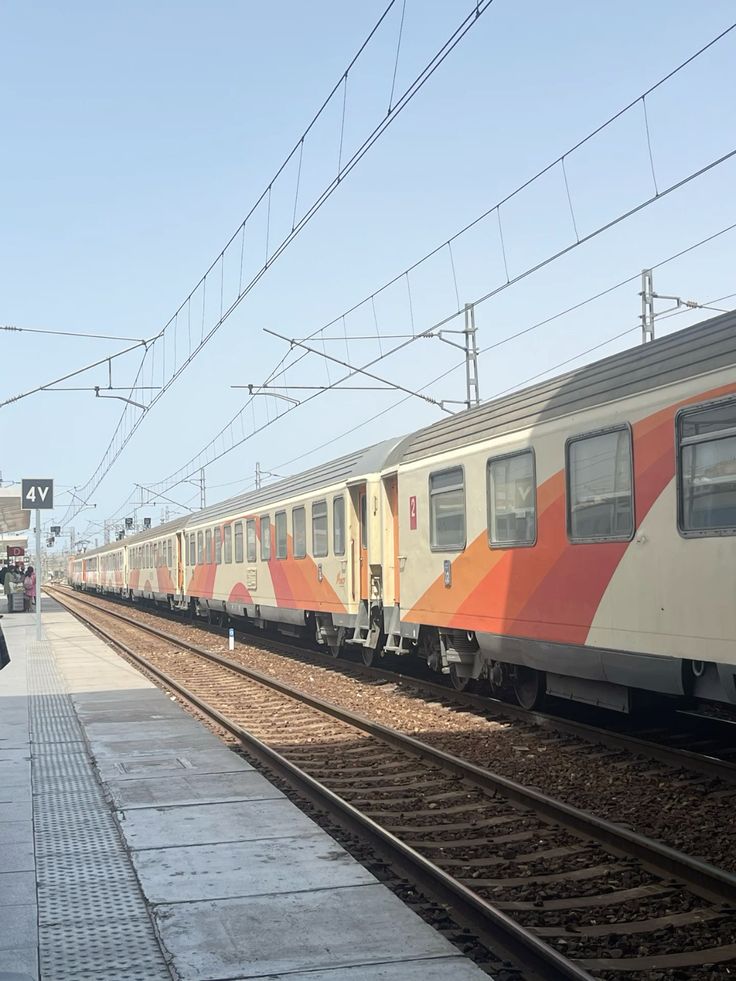
When travelers envision Morocco, they often picture swaying camel caravans across the Sahara or donkey carts navigating the narrow, winding alleys of ancient medinas. However, the reality of moving between the country's major cities is strikingly modern. Morocco boasts one of the most advanced, efficient, and comfortable railway networks in all of Africa. Operated by the ONCF (Office National des Chemins de Fer), the train system is the absolute best way to traverse the country, offering a seamless blend of modern convenience and spectacular, ever-changing landscapes rolling past your window.
The Pride of Africa: The Al Boraq High-Speed Train
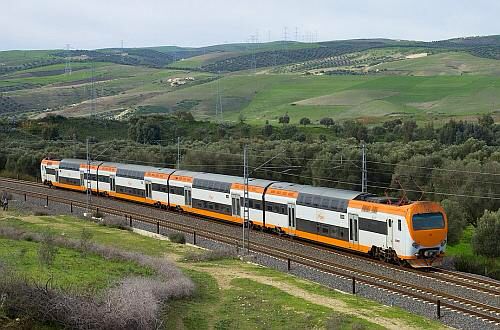
A massive game-changer for Moroccan tourism was the inauguration of the Al Boraq in 2018. Named after a mythical winged creature, this sleek, state-of-the-art high-speed train connects the northern port city of Tangier to the economic hub of Casablanca, with stops in Kenitra and the capital city, Rabat. Reaching speeds of up to 320 kilometers per hour (200 mph), it drastically reduces travel time. A journey from Tangier to Casablanca that used to take nearly five hours is now completed in a breezy two hours and ten minutes.
The experience onboard the Al Boraq is comparable to the finest high-speed rail services in Europe. Both first and second-class carriages are impeccably clean, fully air-conditioned, and feature plush seating. For a few extra dirhams, upgrading to first class grants you a deeply reclining seat, significantly more legroom, and a quieter atmosphere perfectly suited for reading or enjoying the coastal views.
To travel by train is to see nature and human beings, towns and churches and rivers, in fact, to see life. — Agatha Christie (Legendary English Writer)
Navigating the Al Atlas Intercity Network
For destinations further south or inland, such as the magical red city of Marrakech or the cultural capital of Fes, you will ride the Al Atlas trains. While not as blindingly fast as the Al Boraq, these traditional intercity trains are incredibly reliable and comfortable. The routes they take are profoundly scenic. Traveling between Fes and Marrakech, for example, takes you through lush green plains, arid plateaus, and stunning views of the Atlas Mountains.
When booking Al Atlas tickets, there is a distinct difference between classes. First-class tickets guarantee you a reserved seat in a private, six-person compartment with generous space for luggage. Second-class tickets, while cheaper, often mean sitting in open carriages with eight people per section. During peak holiday seasons or weekends, second class can get quite crowded, making the slight price increase for first class a very wise investment for long journeys.
Practical Tips for a Smooth Journey
Booking your tickets in advance is highly recommended, especially for the Al Boraq. You can purchase them easily up to a month in advance via the official ONCF website or directly at the station using automated kiosks or ticket windows. English is widely spoken by station staff, though a polite 'Bonjour' or 'Salam' goes a long way. Make sure to arrive at the station at least 30 minutes before departure, as Moroccan trains are surprisingly punctual, and security checks for the high-speed trains require scanning your luggage.
Lastly, while a trolley cart regularly passes through the aisles selling coffee, bottled water, and light snacks, it is always a fantastic idea to bring your own provisions. Grabbing some fresh fruit, a crusty baguette, and a handful of local pastries from the medina before heading to the station ensures you have a delicious, authentic picnic while watching the beautiful Moroccan countryside glide by.