For centuries, the traditional Moroccan Hammam has been much more than a place to merely bathe; it is a fundamental pillar of Moroccan community, culture, and daily life. Hidden behind unassuming walls in every neighborhood, from the winding alleys of Tangier to the red dust of Marrakech, you will find the distinct dome and chimney of the local bathhouse. It is a sanctuary of steam and serenity where the outside world is entirely stripped away, and the mind is allowed to quiet down.
Historically, before the advent of indoor plumbing, the neighborhood Hammam was a strict daily necessity. Today, even with modern showers in every home, Moroccans of all ages and social classes still visit the public baths weekly. It is a profoundly social environment where neighbors catch up on gossip, mothers arrange marriages, and business deals are discreetly discussed through thick clouds of steam. Experiencing this authentic ritual is a mandatory rite of passage for any traveler.
The Sacred Ingredients: Sabon Beldi and Ghassoul
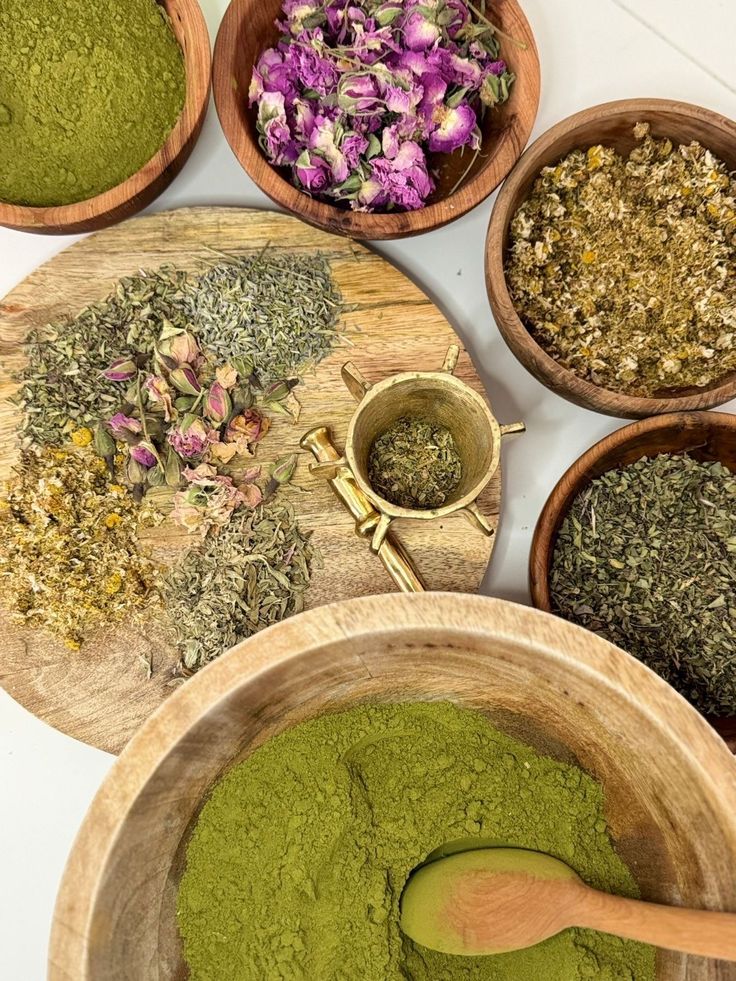
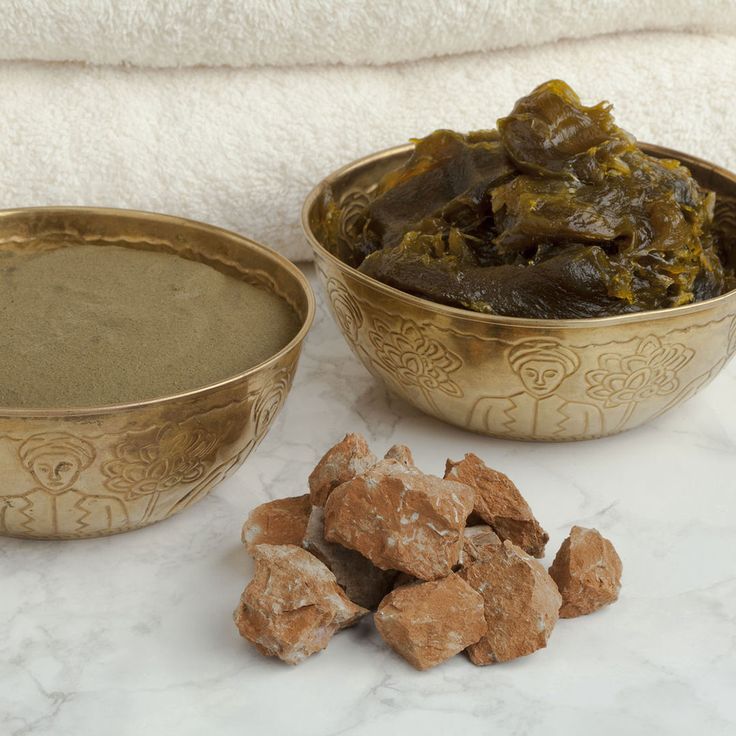
The magic of the Hammam relies heavily on natural, locally sourced products that have been used for generations. The ritual begins with 'Sabon Beldi', a thick, dark, gel-like soap made from macerated black olives, olive oil, and eucalyptus. This incredible natural concoction is deeply massaged into the skin, preparing the body for the intense exfoliation that follows.
Following the scrub, many choose to apply 'Ghassoul' (pronounced rassoul), a mineral-rich volcanic clay mined exclusively deep within the Middle Atlas Mountains. Mixed with rose water or orange blossom water, this clay is used as a purifying mask for both the hair and the body, leaving the skin glowing and incredibly soft.
You don't truly know Morocco until you've been stripped of your clothes, your pride, and several layers of your skin in a local hammam. — Paul Bowles (Renowned Author and Expatriate in Tangier)
The Step-by-Step Hammam Ritual
Entering the Hammam, you will navigate through a series of increasingly hot tiled rooms. The process usually begins in the hottest room to open up your pores and allow the intense steam to deeply penetrate your muscles. After sweating out the body's toxins for about fifteen minutes, you are rinsed with buckets of warm water before the Sabon Beldi is applied.
Then comes the main event: the scrub. A 'Kessal' (for men) or 'Tayaba' (for women) will use a rough, textured fabric glove known as a 'kessa' to vigorously exfoliate your entire body. Seeing the unbelievable amount of dead skin rolling off your body can be genuinely shocking at first, but it is deeply satisfying. You will leave the wet room feeling physically lighter, extraordinarily clean, and completely reborn.
Etiquette and Practical Tips for First-Timers
If it is your first time, navigating the local public baths can feel intimidating, but understanding the basic etiquette goes a long way. Hammams are strictly segregated by gender, either having completely separate buildings for men and women or operating on different schedules for each. It is highly recommended to bring your own towel, a plastic mat to sit on, and your own bathing supplies if you are visiting a public neighborhood bath rather than a private hotel spa.
Finally, absolute nudity is generally frowned upon in public Hammams; it is customary to wear the bottom half of your swimsuit or comfortable, clean underwear. After the intense heat, scrubbing, and washing, the ritual always concludes in the cool relaxation room. Here, you are usually served a glass of sweet Moroccan mint tea to rehydrate, leaving you in a state of absolute physical and mental tranquility before stepping back out into the bustling medina.