Nestled high up in the dramatic, rugged peaks of the Rif Mountains in northwestern Morocco lies a city that feels as though it was pulled straight from the pages of a fairytale. Chefchaouen, affectionately known globally as the 'Blue Pearl,' is a stunning visual masterpiece. After a long journey navigating the winding mountain roads, the sudden appearance of this cascading blue city against the harsh, green mountain backdrop is a sight that leaves even the most seasoned travelers completely breathless.
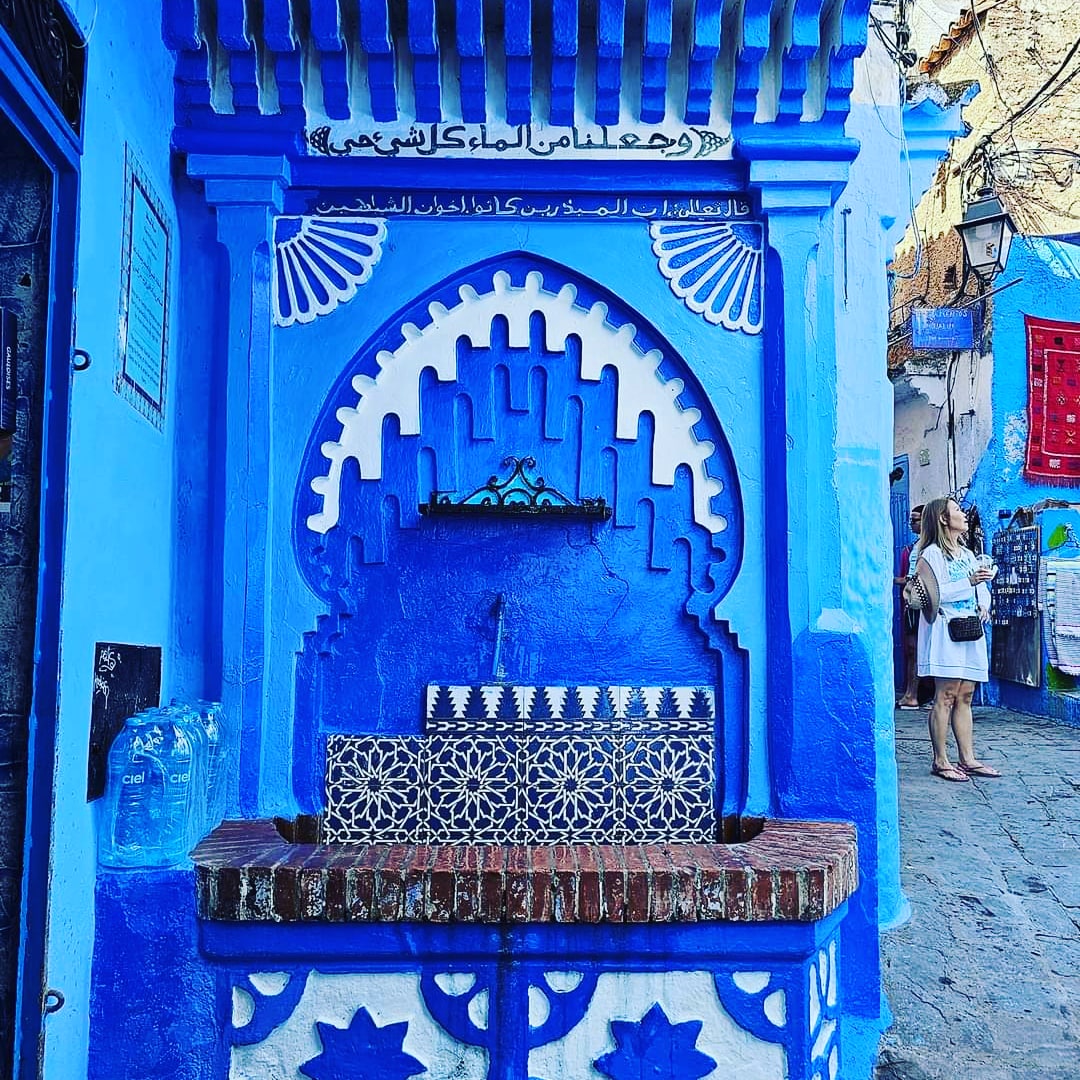
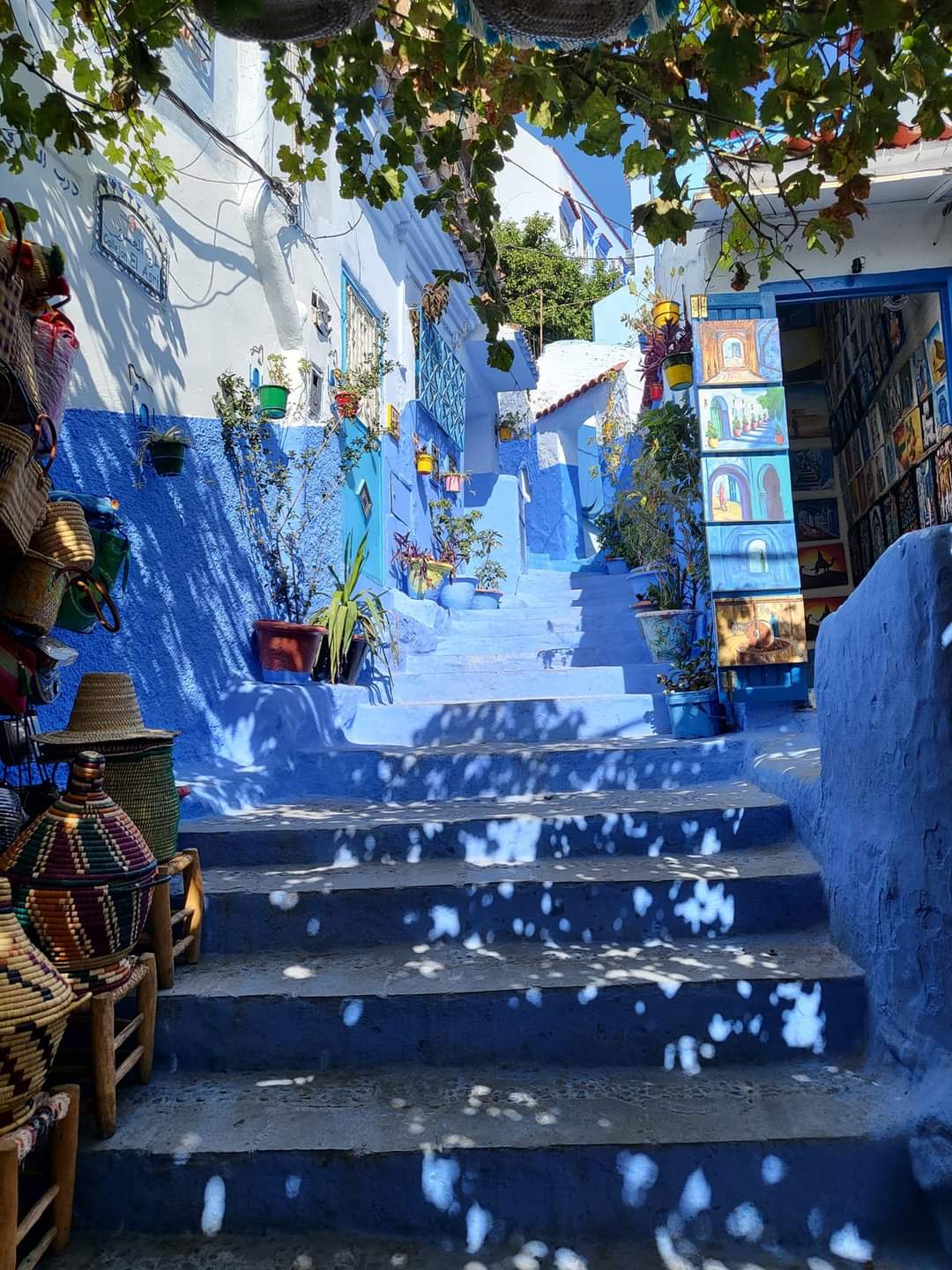
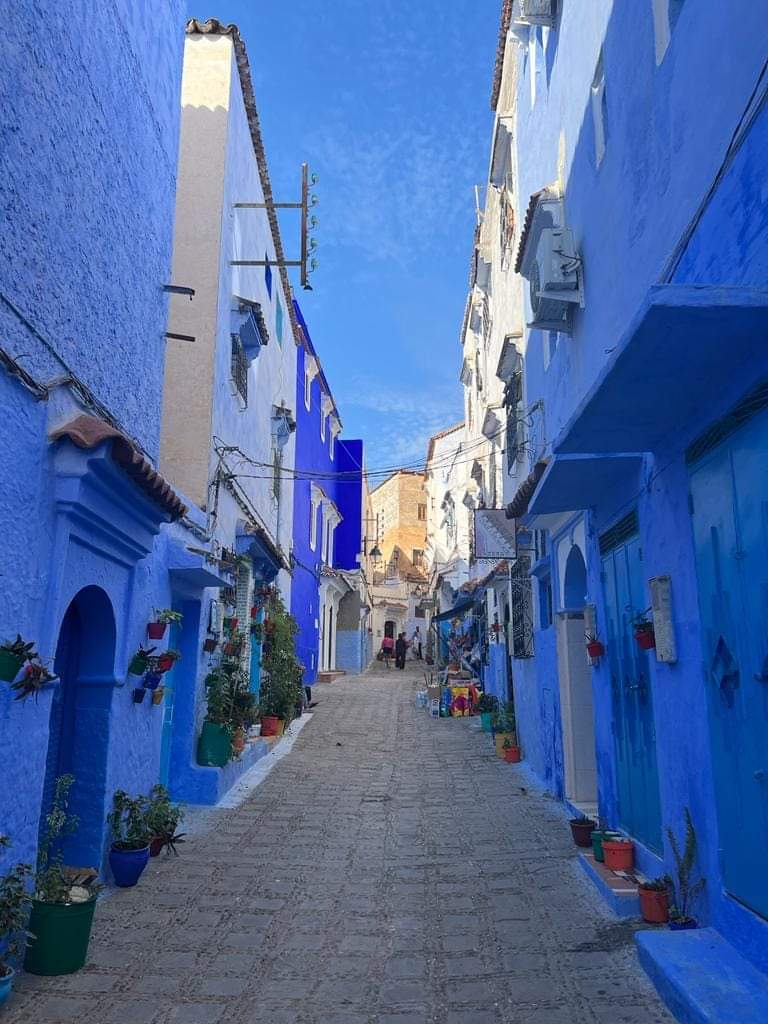
Unlike the frenetic, fast-paced energy found in the sprawling medinas of Fes or Marrakech, Chefchaouen operates on a profoundly different frequency. The atmosphere here is incredibly relaxed and deeply bohemian. The moment you step into the labyrinth of its ancient medina, the all-encompassing shades of blue—ranging from soft pastels to vibrant indigos—instantly wash over you, creating a profound sense of psychological calm and absolute serenity.
The deeper the blue becomes, the more strongly it calls man towards the infinite, awakening in him a desire for the pure and, finally, for the supernatural. — Wassily Kandinsky (Pioneer of Abstract Art)
The Mystery Behind the Painted Walls
The most common question every visitor asks upon arriving is simply: 'Why is it blue?' The truth is that there is no single, universally agreed-upon answer, but rather a beautiful tapestry of local legends and historical theories. The most widely accepted historical explanation traces back to the 1930s when a large population of Jewish refugees arrived in the city fleeing persecution in Europe. In Jewish tradition, the color blue represents the sky and the heavens, serving as a constant reminder of God's presence.
Other locals might tell you a more practical story, claiming that the blue paint acts as a natural mosquito repellent, or that it helps to keep the buildings cool during the scorching summer months. Whatever the true origin may be, the tradition is fiercely maintained by the local community today. Every spring, the residents of the medina come together to painstakingly repaint their walls, doors, and staircases, ensuring that the city's iconic glow never fades.
The Heartbeat: Plaza Uta el-Hammam
The natural center of gravity in Chefchaouen is the vibrant, cobblestoned Plaza Uta el-Hammam. Lined with massive shade trees, bustling cafes, and traditional restaurants, it is the perfect place to sit back with a steaming glass of mint tea and simply watch the world go by. Dominating the square is the Kasbah, a heavily restored 15th-century fortress featuring a beautiful Andalusian-style garden and a small ethnographic museum.
Chasing the Ultimate Sunset
For the more adventurous traveler, no visit to the Blue Pearl is complete without a short, moderately steep hike up the eastern hill to the abandoned Spanish Mosque. Built in the 1920s but never officially used for worship, it now serves as the ultimate panoramic viewpoint. Hundreds of travelers and locals gather here every single evening.
As the sun begins to set, casting golden and pink hues over the Rif Mountains, the entire blue city below seems to glow from within. When the synchronized call to prayer echoes across the valley from the city's numerous minarets, the experience transcends mere tourism; it becomes a deeply spiritual moment that perfectly encapsulates the absolute magic of Northern Morocco.