Nestled on the Atlantic coast of Morocco, Essaouira is a city that defies expectations. Unlike the frenetic energy of Marrakech or the sprawling metropolitan vibe of Casablanca, this coastal gem—formerly known as Mogador—operates on its own distinct frequency. It is a place where the ocean breeze constantly sweeps through the narrow, whitewashed alleys adorned with brilliant blue doors. For decades, Essaouira has been a sanctuary for artists, musicians, backpackers, and digital nomads seeking a bohemian lifestyle steeped in history and culture. In this comprehensive guide, we will dive deep into everything that makes Essaouira a mandatory stop on any Moroccan itinerary.
The Cinematic Legacy: Welcome to Astapor
Essaouira's dramatic ramparts (the Skala de la Ville) and timeless architecture have not just captured the hearts of travelers; they have also caught the eye of Hollywood's biggest location scouts. If the towering stone walls and crashing waves look familiar, it is because Essaouira served as the real-life location for Astapor, the 'Red City' in the critically acclaimed television series, Game of Thrones. Walking along the fortified walls where the brass cannons still point towards the Atlantic, it is incredibly easy to imagine dragons flying overhead and the Unsullied marching through the squares.
Filming in Morocco was completely magical. The locations are so vast and ancient, they do the acting for you. It truly feels like stepping into another world. — Emilia Clarke (Actress, Game of Thrones)
But the city's relationship with the silver screen goes back much further than modern television. In 1952, the legendary filmmaker Orson Welles chose Essaouira as the backdrop for his cinematic masterpiece, Othello. The city even has a square named in his honor. This rich cinematic history adds a layer of grandeur to the already breathtaking views, making it a paradise for photographers and pop-culture enthusiasts alike.
The Soul of the City: The Gnaoua World Music Festival
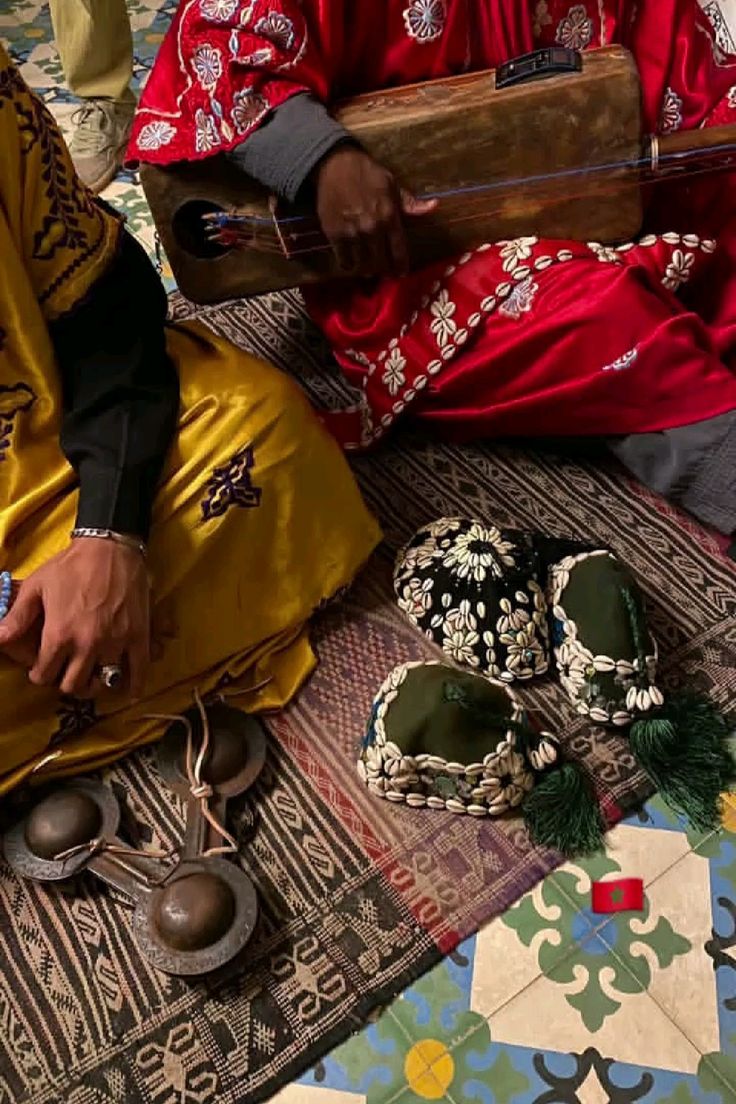
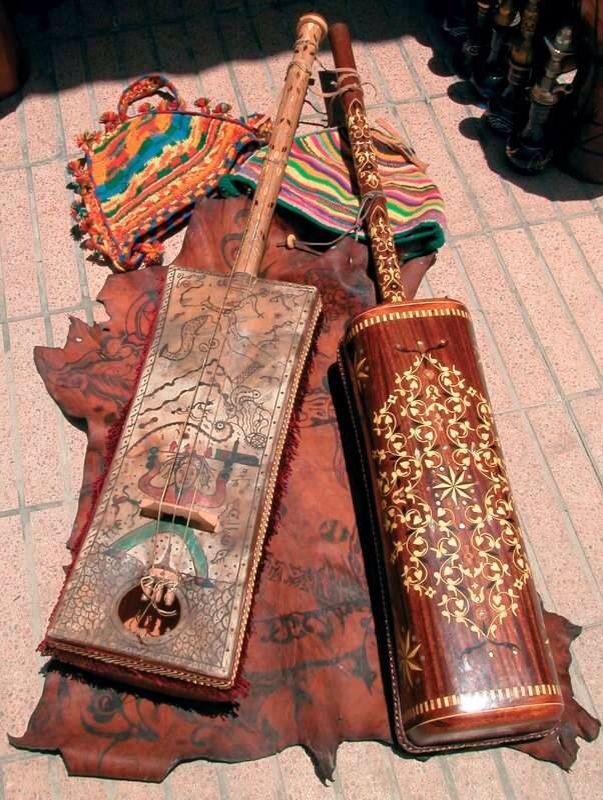
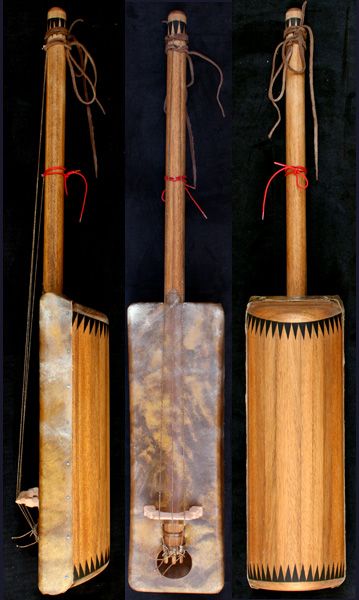
You cannot speak of Essaouira without speaking of music. Every summer, the city transforms into a vibrant, pulsating hub for the Gnaoua World Music Festival. Often referred to as the 'African Woodstock', this spectacular event draws hundreds of thousands of visitors from across the globe. Gnaoua music is a deeply spiritual and rhythmic art form, originating from sub-Saharan African traditions blended with Islamic Sufism. The hypnotic sound of the 'Guembri' (a three-stringed lute) and the rhythmic clacking of the 'Krakebs' (iron castanets) echo through every street, corner, and café.
Traveling to Essaouira during the festival with friends is an unforgettable experience. The entire city is alive. Strangers dance together in Place Moulay Hassan, impromptu jam sessions erupt in the medina, and the scent of grilled seafood and incense fills the air. It is an immersive cultural experience that connects you directly to the soul of Moroccan heritage. Even if you visit outside the festival dates, the spirit of Gnaoua remains; you will often find local musicians playing in smaller venues, keeping the magical trance alive year-round.
The Wind City of Africa: A Haven for Water Sports
While sunbathers might find the constant coastal breeze a bit too chilly for a lazy beach day, extreme sports enthusiasts call it paradise. Essaouira is famously known as the 'Wind City of Africa' due to the powerful Alizé trade winds that batter its sweeping crescent beach. This makes the city one of the premier destinations in the world for kitesurfing, windsurfing, and traditional surfing. From beginners looking to take their first lesson at a local surf school to seasoned professionals chasing the perfect gust, the beach is always a dynamic scene of colorful kites and sails dancing over the waves.
Exploring the UNESCO-Listed Medina
Stepping into the Medina of Essaouira is like stepping back into the 18th century. Recognized as a UNESCO World Heritage site, the medina is a brilliant example of late-18th-century fortified town design. Unlike the labyrinthine streets of Fes or Marrakech where getting lost is part of the itinerary, Essaouira’s medina was built on a grid system by a French architect, making it incredibly easy to navigate. Here, you can spend hours browsing the vibrant souks. The city is particularly famous for its master craftsmen who specialize in intricate woodwork using the aromatic local Thuya wood.
From purchasing hand-woven Berber rugs to tasting freshly pressed Argan oil sourced from the nearby countryside, shopping in Essaouira is a relaxed and friendly experience. The local vendors are generally more laid-back than those in the larger imperial cities, making the art of bargaining a pleasant and conversational affair.