Stepping into a Moroccan carpet shop is like entering a kaleidoscope of history, color, and tradition. The scent of raw wool and sweet mint tea fills the air as merchants unfurl masterpiece after masterpiece onto the intricately tiled floor. For centuries, the indigenous Berber (Amazigh) women of Morocco have been weaving these intricate textiles, not as mere floor coverings, but as functional pieces of art that tell the deeply personal stories of their creators and their tribes.
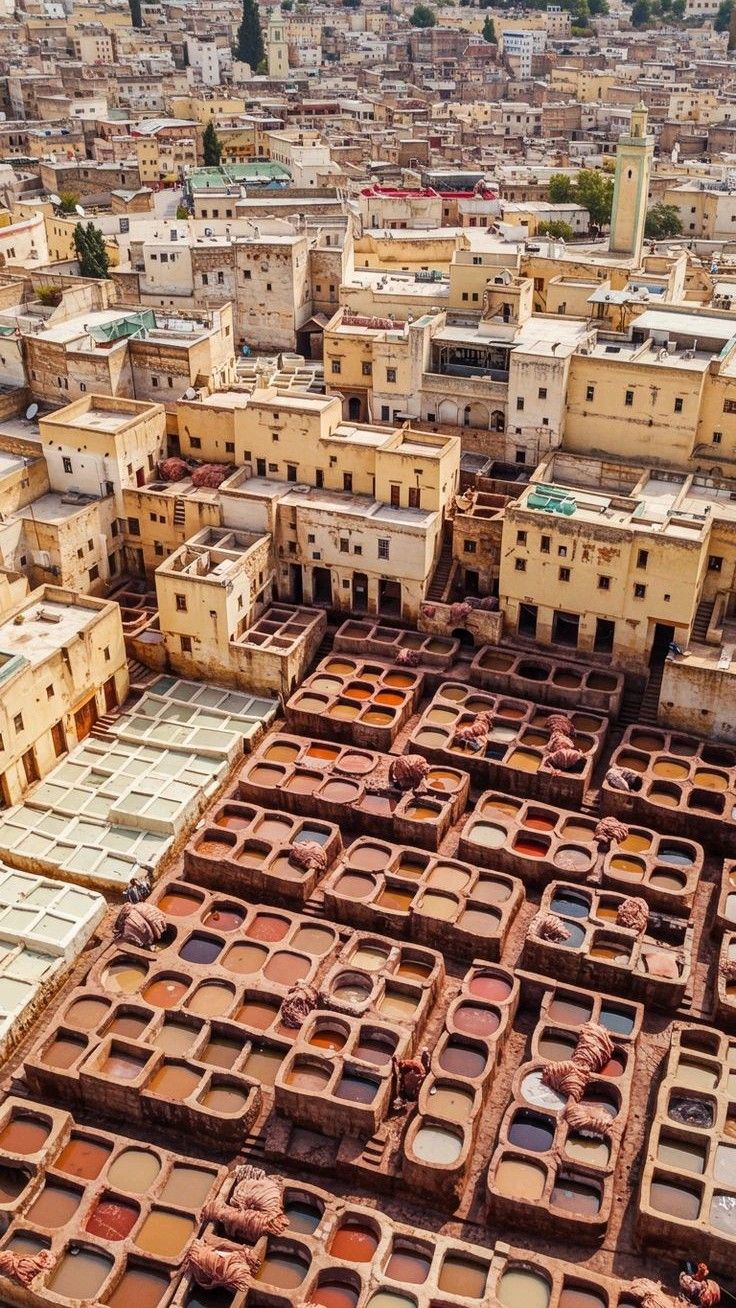
Every knot, geometric symbol, and dye choice holds a specific meaning, passing down ancestral knowledge from one generation of women to the next. Whether you are wandering through the labyrinthine alleyways of the Marrakech medina or visiting a remote women's cooperative in the High Atlas Mountains, understanding the rich tapestry of Moroccan rug making is absolutely essential for any traveler looking to bring a piece of this magical kingdom back home.
The Beni Ourain: The White Diamonds of the Atlas
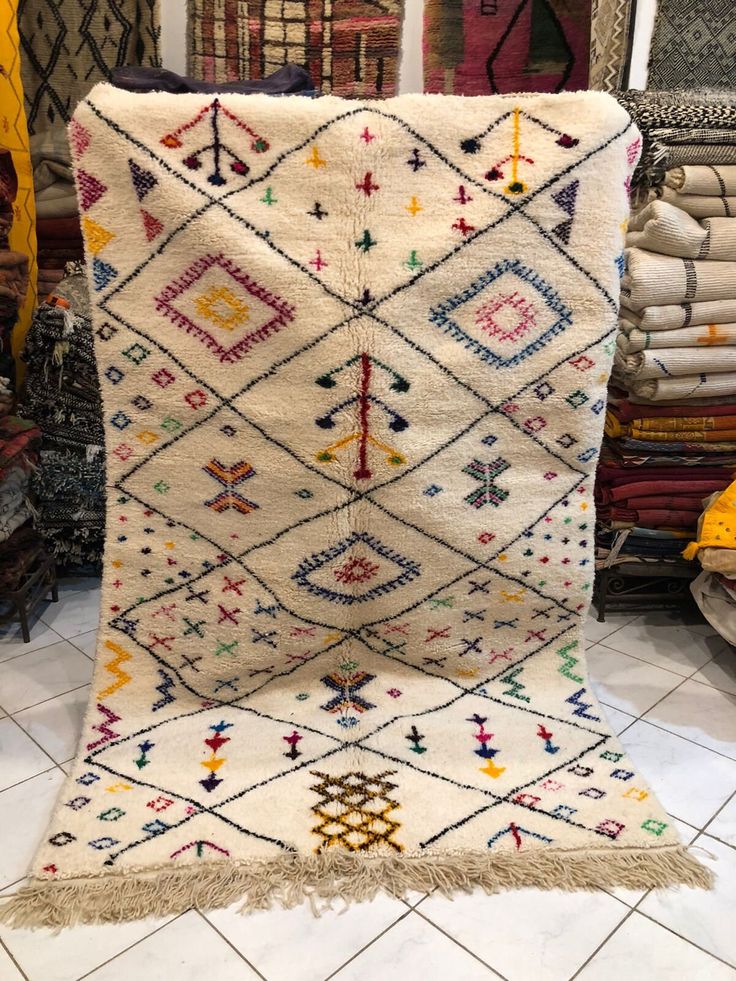
Perhaps the most famous and globally coveted of all Moroccan textiles is the Beni Ourain rug. Woven by the nomadic tribes of the rugged Middle Atlas Mountains, these rugs were originally designed to protect families from the bitter cold of winter. They are characterized by their thick, luxurious pile of un-dyed sheep's wool, which provides a natural ivory or cream backdrop that fits perfectly into modern interior design.
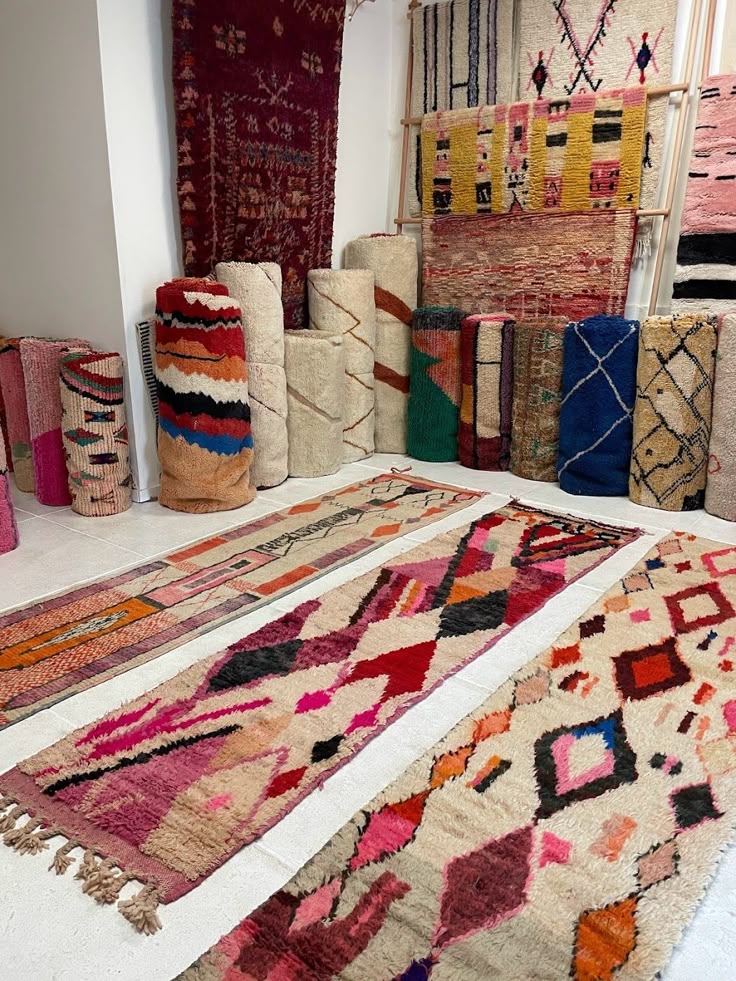
In Morocco, I realized that the range of colors I use was that of the zelliges, zouacs, djellabas and carpets. The audacity seen since then in my work, I owe to this country. — Yves Saint Laurent (Legendary Fashion Designer)
Across this plush white canvas, weavers knot stark, geometric patterns—often diamonds or abstract lines—using dark brown or black wool sourced from the head of the sheep. Because they are woven from memory and emotion without a physical blueprint, no two Beni Ourain rugs are ever exactly alike. The slight imperfections and asymmetrical lines are not flaws; they are the proud signature of the human hand and the spirit of the weaver.
Boucherouite: The Eco-Friendly Masterpieces
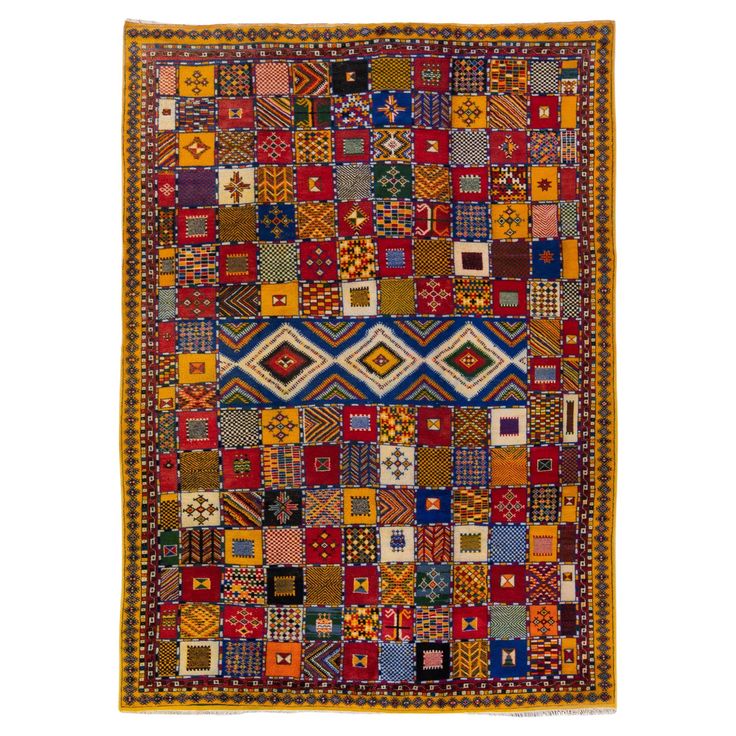
If the Beni Ourain represents minimalist elegance, the Boucherouite (pronounced boo-shay-reet) is an explosion of maximalist joy. Born out of necessity in the mid-20th century, these rugs are a brilliant early example of sustainable, upcycled art. When high-quality wool became scarce or too expensive for some rural families, inventive women began tearing old clothing, textiles, and even recycled plastics into small strips to weave their carpets.
The result is a vibrant, psychedelic array of colors and textures that completely defy traditional rules. These rag rugs often feature dazzling, freestyle designs that look more like modern abstract paintings than traditional floor coverings. They bring an incredible, vibrant pop of color to any room and stand as a testament to the boundless creativity and resilience of Moroccan artisans.
The Art of the Haggle: Buying Your Masterpiece
Purchasing a rug in Morocco is never a quick, transactional affair; it is a theatrical dance of hospitality, respect, and negotiation. You will almost certainly be invited to sit down and share a pot of sweet Moroccan mint tea. This is a crucial part of the process. Take your time, ask questions about the origin and the age of the pieces, and show genuine appreciation for the craftsmanship before discussing numbers.
When it comes to the price, remember that haggling is expected and respected in the souks. A good rule of thumb is to start your counter-offer at roughly one-third of the merchant's initial asking price, slowly working your way up to a number that feels fair to both parties. Always negotiate with a smile, keep the atmosphere light and friendly, and remember that you are not just buying a piece of decor; you are investing in a centuries-old tradition and supporting the livelihood of local weaving communities.